A sputtering compressor on a July afternoon, a steady drip from a clogged condensate line, or the sudden smell of burning plastic: those are the moments when delayed action becomes expensive and inconvenient. For homeowners and small businesses in Wood River, recognizing and addressing those early warning signs keeps a modest repair from blooming into a full system replacement. Local climate swings, older housing stock, and heavy summer loads combine to make prompt HVAC repair a financial and comfort-saving decision.
Why a small fix matters
A loose belt, a blown capacitor, or low refrigerant may seem minor when a unit is still delivering some cool air. The reality is mechanical systems do not improve when they operate under stress. A blower motor that strains to move air will overheat bearings and draw extra current. A refrigerant leak that goes unnoticed lets moisture enter the system, corroding coils and shortening compressor life. Each small fault raises operating costs and accelerates wear on other components. Fixing a problem now often AC maintenance in Wood River IL saves thousands later and preserves indoor air quality for fragile occupants — babies, elders, or people with asthma.
How Wood River climate and housing affect HVAC lifespans
Wood River sits in a region where summers can push central air systems hard for months. Long run times increase compressor cycles and heat exchange demand. Many homes in the area were built decades ago and still have original or secondhand equipment, older duct layouts, or suboptimal insulation. Those factors raise the baseline stress on a system. A 10-year-old air conditioner that has not had regular maintenance is much more vulnerable than a 10-year-old unit that received seasonal tune-ups and filter changes.
Local electrical conditions matter too. Repeated power fluctuations, common during storm season, shorten the life of capacitors and control boards. An HVAC contractor in Wood River who understands these patterns can recommend surge protection, staged starting components, or preventative replacements timed before peak seasons.
Common small failures that become big
Some problems escalate predictably if ignored. A few examples drawn from field experience:
- Refrigerant leaks start as small oozes at a brazed joint or a pinhole in a coil. Initially the system pulls a little more refrigerant through the compressor, but as levels fall performance drops and the compressor overheats. Replacing a failed compressor plus recovering and recharging refrigerant can cost four to six times the price of a timely leak repair and a top-up. Clogged air filters reduce airflow, making evaporator coils ice over in summer and forcing the blower to work harder. Ice eventually melts and trickles into the drain pan or onto electrical components, causing shorts and corrosion. A filter change and coil clean are cheap by comparison. Failing capacitors allow motors to draw excessive current. A motor that runs hot will eventually seize, requiring a motor swap or even a full air handler replacement. Replacing a capacitor is relatively inexpensive and often a same-day fix. Improper thermostat calibration or wiring causes short cycling. Short cycling stresses the compressor with frequent starts, which wears out the starting relay, capacitor, and ultimately the compressor itself.
Signs you should call for repair now
Recognizing problems early is not just about temperature. Listen, look, and smell. Below is a short checklist of practical signs that warrant a service call. If you see two or more, don’t wait.
Unusual noises such as grinding, rattling, or high-pitched squeals coming from the outdoor unit or indoor air handler. Noticeable drops in airflow at registers, or rooms that stay hot while others cool. Frequent cycling on and off, or the system running continuously without reaching setpoint. Water pooling near the indoor unit, or visible ice on refrigerant lines or coils. Higher than normal utility bills without a corresponding change in occupancy or thermostat settings.What a good HVAC contractor in Wood River should do
A competent technician arrives with diagnostic tools, but what separates a skilled professional from someone doing a quick patch is a methodical approach. Expect these actions during a thorough repair visit:
- Listen to the system at startup and under load, noting any unusual electrical noises or mechanical resistance. Measure refrigerant pressures and superheat/subcooling, not just add refrigerant by guesswork. Check electrical connections and measure capacitor health with a meter, replacing marginal components before they fail. Inspect and clear the condensate drain with a wet vac or flushing, and test the float switch. Look for duct obstructions, disconnected return ducts, or crushed flex runs that restrict airflow.
When those steps are skipped, temporary fixes often fail within weeks. A lazy repair can cost you comfort and money twice.
Trade-offs: repair, rebuild, or replace
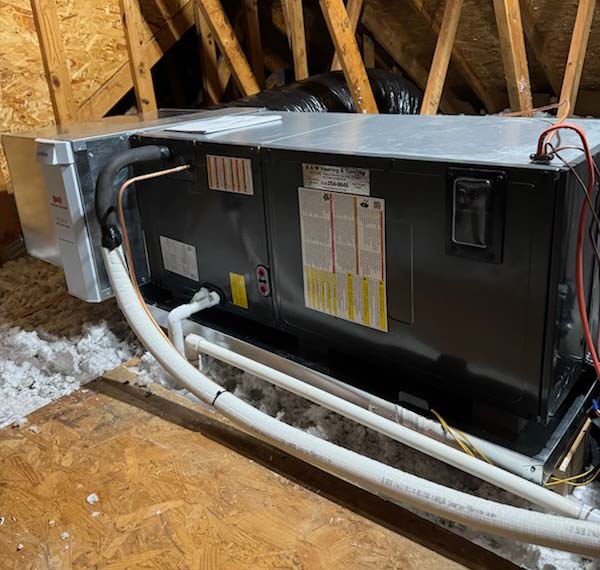
Deciding whether to repair or replace requires weighing age, efficiency, and repair cost. There is no single answer, but a realistic framework helps.
If a system is under 10 years old and the repair costs less than roughly 30 percent of a new system, repair usually makes sense. For units older than 15 years, efficiency gains from replacement and the risk of cascading failures often sway the choice toward replacement. Between 10 and 15 years you must factor in the remaining useful life, historical repair frequency, and energy savings. Replacing a failing 12-year-old unit with a modern high-efficiency model can cut cooling costs by 15 to 30 percent, but that saving only justifies replacement over several years depending on local electricity rates and how often you run the system.
Consider the environment of the home. If ductwork is leaky, installing a top-tier high-efficiency air conditioner will not yield expected savings until ducts are sealed and insulated. A reputable HVAC contractor in Wood River will include duct evaluation in any replacement estimate and show expected payback timelines.
Examples from the field
A homeowner on Old Alton Road called when their upstairs master bedroom stayed hot despite cool air blowing from the vent. The technician found a collapsed flex duct in the attic and an iced evaporator coil caused by a clogged filter. A filter change, re-securing the duct, and a coil clean restored performance. The cost was a few hundred dollars. Had the homeowner waited, the compressor would likely have failed during peak season, producing a repair invoice several thousand dollars larger and weeks of discomfort.
Another case involved a small retail store near the river. Staff reported humming and intermittent cooling. Diagnosis revealed failing run capacitors and a borderline control board aggravated by recent lightning strikes. Installing surge protection, replacing capacitors, and cleaning contacts returned reliable service. The preventative step of adding surge protection cost less than one major replacement and avoided extended downtime during a summer weekend rush.
Maintenance prevents the escalation
Routine maintenance is the most reliable preventive strategy. Seasonal tune-ups, ideally before cooling season and before heating season, let technicians catch degrading parts early, clean coils and drains, and calibrate controls. Good maintenance plans from a local provider like B & W Heating & Cooling often include priority scheduling, discounts on repairs, and AC tune-up Wood River IL documented service history. Those perks pay off when a system fails on a hot afternoon.
A maintenance visit should include filter inspection or replacement, refrigerant verification, motor lubrication where applicable, belt inspection, condensate drain clearing, electrical tightening, and thermostat calibration. Sleeping on preventive care risks a mid-summer emergency call that comes with overtime charges and compromised inventory for businesses.
How repair timelines affect cost and comfort
There is a practical timeline to consider when a problem appears. Acting within days rather than weeks reduces risk.
Repair within 48 to 72 hours: Most small to medium repairs such as capacitor replacement, condensate clearing, or thermostat repair are affordable and quick. Comfort is restored, and further damage is unlikely.
Repair delayed two to six weeks: Temporary workarounds like running a window unit while ignoring a dripping indoor unit invite mold, corrosion, and electrical shorts. Waiting this long often forces a more complex repair and increases the chance of needing a part that is no longer stocked.
Repair delayed over six weeks: Systems operating with chronic faults will usually suffer a major failure in this window, particularly during heavy loads. Emergency replacement during peak season is costly and stressful.
Choosing a contractor in Wood River
Not all companies are equal. Look for a contractor who provides transparent pricing, clear explanations, and diagnostic photographs when relevant. Ask whether the technician will measure refrigerant charge correctly, if they use factory-recommended parts, and whether warranties are transferrable. A local company, such as B & W Heating & Cooling, has experience with area-specific concerns and often stocks common replacement parts to expedite repairs.
Insurance and permits matter for bigger jobs. For significant electrical or refrigerant work, ensure the contractor is licensed and carries liability insurance. If a job requires a permit, a professional will pull it rather than telling you that a permit is unnecessary. That protects you from future compliance headaches.
When to prioritize indoor air quality
HVAC repair is not just about temperature. Moisture, mold, and particulate buildup reduce indoor air quality and can lead to health complaints. A slow condensate drain that creates standing water in the pan invites microbial growth. Dirty coils and clogged drains also reduce efficiency. For households with allergy sufferers or occupants with chronic conditions, addressing these issues quickly is more than comfort, it is health care.
Consider installing UV germicidal lights in the air handler for persistent mold problems, or adding a higher efficiency filter and ensuring the blower can handle the added static pressure. Those upgrades need to be balanced against airflow requirements; a filter that is too restrictive will cause the problems it is meant to solve, so measurements and professional guidance matter.
Cost expectations and budgeting
Minor repairs often fall in the low hundreds of dollars. Replacing a capacitor or thermostat, fixing a condensate line, or sealing a small duct section commonly fits that range. Major repairs like replacing a compressor, control board, or blower motor can run into the mid-thousands. Full system replacement varies widely based on unit size, efficiency rating, and ductwork complexity, but a homeowner should expect a range rather than a single figure and request multiple quotes if the budget allows.
Ask for itemized quotes that show parts, labor, and any occupancy or emergency surcharges. If cost is a concern, prioritize repairs that protect the compressor and airflow, because those are the components that most often lead to replacement when they fail.
Final thought that persuades action
A small repair now preserves options later. It keeps monthly bills lower, maintains comfort and indoor air quality, and prevents emergency replacement when supplies and labor are scarce in peak months. For residents and businesses in Wood River, partnering with a trusted HVAC contractor who understands local conditions, like B & W Heating & Cooling, transforms reactive, costly service calls into manageable maintenance and straightforward repairs. When you hear a new noise, notice uneven cooling, or see water where there should not be any, treat it as the system asking for attention. Acting promptly almost always saves money, time, and a lot of sweat.
B & W Heating & Cooling
3925 Blackburn Rd, Edwardsville, IL 62025
(618) 254-0645
[email protected]
Website: https://www.bwheatcool.com/